Call Now
Odisha has a rich, diverse tribal population of 62 distinct communities—including 13 PVTGs (Particularly Vulnerable Tribal Groups)—comprising 22.85% of the state's total population. Predominantly residing in hills and forests, major tribes include th
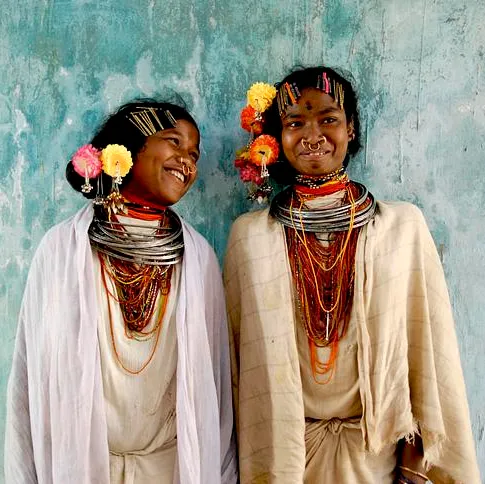
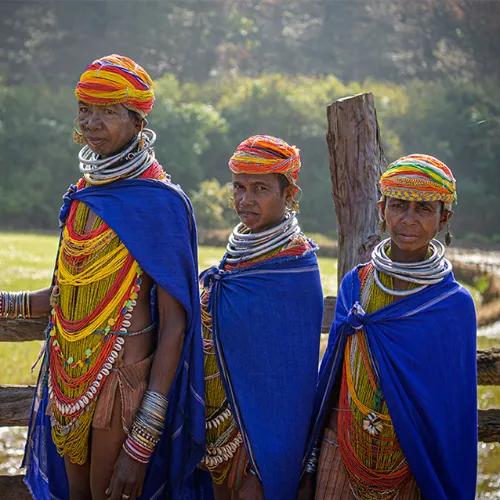
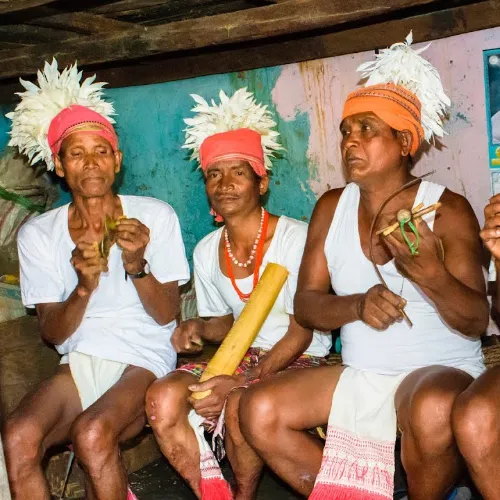
MOST IMPORTANT TRIBES KONDH,B9ONBDO,DHURUBA,PAROJA,SAOURA DIDEI,GADABA & DHUIRUBA.
Parajas
Devotees of numerous gods and goddess, the Prajas are the inhabitants of forests and hills. The people of this beautiful community have a different passion and love for music and dance and are mainly agriculturists.
Gadava
Said to be the oldest and ancient tribe in Odisha that traces its history from Ramayana era is Gadava. It is also the most colourful tribe that sustain their livelihood through agriculture, hunting, and fishing.
Bonda
One of the country?s primitive tribes living in the quaint hills in Malkangiri district, Odisha. The unique culture, enthralling customs, and typical attire make Bonda the most popular tribal community in the state.
Kondh
Kond is one of the largest tribe in Odisha who worship hills, nature, and streams. The people of Kondh tribe have an essential knowledge of the mountains, trees, forest, and plants.
Sauras
Sauras is one of the ancient tribes in India that also find their mention in the Hindu epics of Mahabharata and Ramayana. The tribe has a unique shamanic culture and its people are the great craftsman of Saura paintings.
Dhurwa (or Duruwa/Dharua)
is a distinct indigenous tribe primarily residing in the Bastar region of Chhattisgarh and parts of Odisha (notably Koraput, Rayagada, and Malkangiri districts). Considered a sub-group of the Gond, they speak Parji, a Dravidian language, and traditionally rely on hunting, fishing, and agriculture.
Didayi
The Didayi are a Particularly Vulnerable Tribal Group (PVTG) residing primarily in the Kondakamberu hills of the Malkangiri district in Odisha, India. Known for their distinct cultural practices and Austroasiatic language, they depend on subsistence agriculture, forest gathering, and fishing. The community, often referred to as "wild people" by outsiders, maintains a patriarchal structure and follows animistic beliefs